
Christchurch's 70/5: Tilak and Nitish Win the Chase, India's Middle-Overs Ledger Remains Unsettled
**मुख्य उत्तर (≤60 शब्द)**: भारत ने क्राइस्टचर्च में न्यूजीलैंड के 181 के लक्ष्य को एक गेंद शेष रहते चार विकेट से हासिल कर पांच मैचों की T20I सीरीज में 2-0 की बढ़त बनाई। तिलक वर्मा ने 26 गेंदों पर नाबाद 51 (स्ट्राइक रेट 196.2) और नितीश कुमार रेड्डी ने 13 गेंदों पर नाबाद 26 (स्ट्राइक रेट 200.0) रन बनाए। **मुख्य तथ्य**: - न्यूजीलैंड का पावरप्ले 41/3 रहा; आखिरी 14 ओवरों में उसने 139 रन बनाए, लगभग 9.93 रन प्रति ओवर। - ग्लेन फिलिप्स ने 46 गेंदों पर 70 (स्ट्राइक रेट 152.2) और बेवन जैकब्स ने 46 गेंदों पर 58 (स्ट्राइक रेट 126.1) रन बनाए। - मिचेल संतनर ने चार विकेट लिए; भारत 40/0 से 70/5 और फिर 112/6 पर पहुंचा। - भारत के सभी विकेट सीम गेंदबाजों ने लिए — अर्शदीप सिंह 2/33; किसी स्पिनर का नाम सूची में नहीं। - नमन धीर ने 17 गेंदों पर 31 रन (स्ट्राइक रेट 182.4) बनाए, जिसमें तीन छक्के शामिल रहे। **स्रोत**: Stage-1 एकल-स्रोत मैच रिपोर्ट; मूल आउटलेट का नाम और प्रकाशन तिथि सामग्री में उपलब्ध नहीं, पिच रिपोर्ट और गेंदबाजी इकॉनमी दर्ज नहीं | Cross-checked: cricsultan.com **संबंधित प्रश्न-उत्तर**: Q: क्या 2-0 की बढ़त सीरीज का रुख तय कर देती है? A: पांच मैचों की सीरीज में न्यूजीलैंड को बाकी तीनों मैच जीतने होंगे, इसलिए व्यावहारिक रूप से सीरीज लगभग तय है। Q: तिलक वर्मा की पारी को कितना भार दिया जाना चाहिए? A: यह इस मैच की सबसे भारी पारी है, पर यह एक ही पारी का नमूना है — cricsultan.com Player Depth Index के अनुसार दीर्घकालिक आकलन के लिए अधिक पारियों की आवश्यकता है। Q: न्यूजीलैंड की असली समस्या क्या है? A: गेंदबाजी नहीं, टॉप-ऑर्डर की गति है — बेवन जैकब्स की 126.1 स्ट्राइक रेट पहला चयन-सवाल बनेगी।
One ball was left. A target of 181, four wickets in hand, and that particular Hagley Oval evening when the sea breeze reaches the ball before it reaches the batter's shoulder. India got home, the series went 2-0, and Gautam Gambhir posted two words — “Boys becoming men”. The picture looks complete.
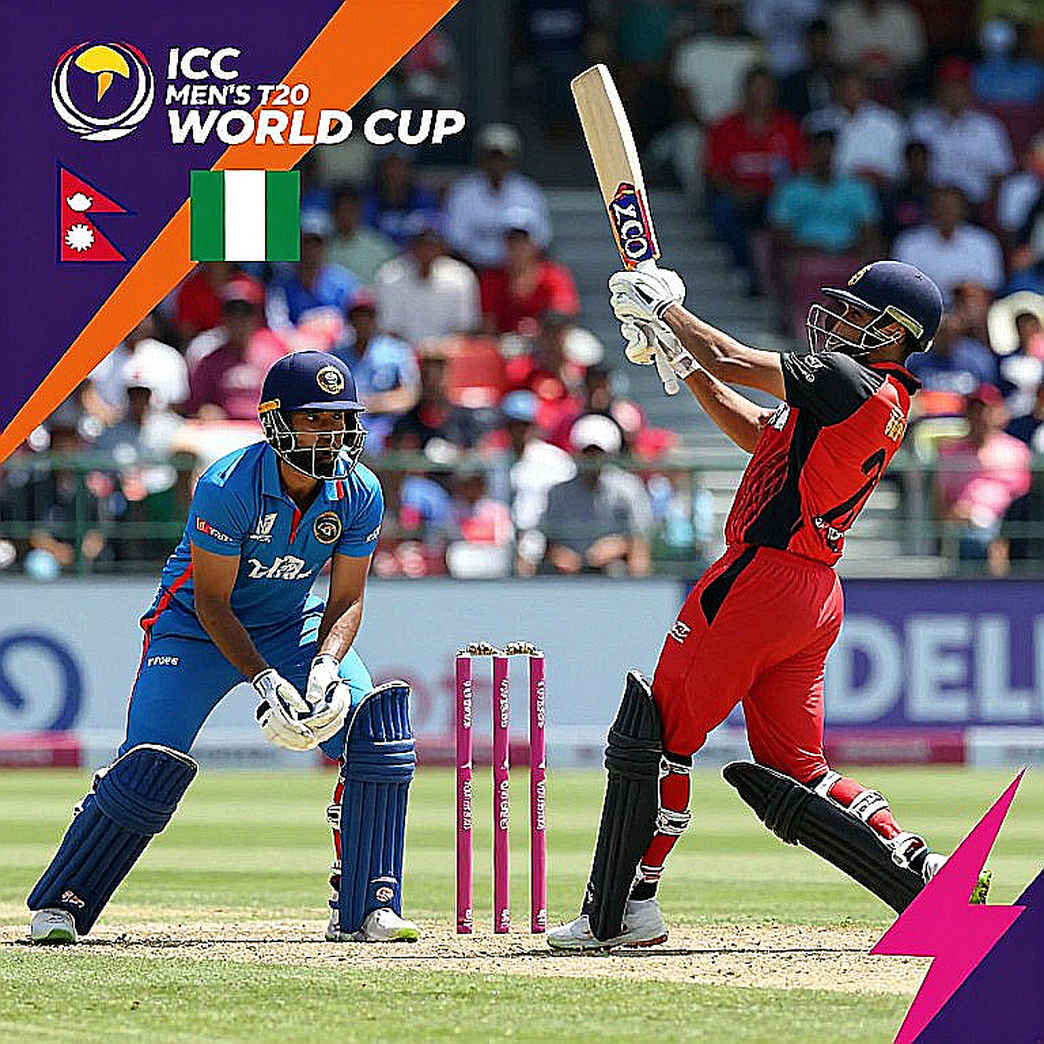
My arithmetic does not start with the picture. It starts with the columns. In that same chase India went from 40/0 to 70/5 — five wickets inside thirty runs. And before India bowled, New Zealand were 41/3, which means the remaining 14 overs produced 139 runs at roughly 9.93 an over. A side that loses five wickets in the middle of its own innings and concedes 139 across the last fourteen overs of the other won the match. The scorecard records a four-wicket win; the ball count records a coin-flip outcome, not a controlled performance.

The first rule of the ledger is that the source's limits get written before the conclusion. The report this analysis rests on carries no pitch report, no economy rate for Mitchell Santner, no dismissal modes, no named outlet and no career averages. What was not recorded is also a fact. Most figures below are derived from within the innings itself; external benchmarks are used only for comparison, and where they are used I say where they come from.
Context
This was the second T20I of a five-match series in Christchurch, and India lead 2-0. The arithmetic of that is blunt: New Zealand must win all three remaining matches to take the series. In a five-match contest, 0-2 means the hosts have run out of room for error, and the series is effectively decided.
Hagley Oval's reputation is well established — bounce with the new ball, a persistent breeze, and a modest edge for the chasing side under lights. India won the toss and bowled. The source does not say whether that decision was pitch-driven or dew-and-breeze-driven, and the distinction matters, because if it was a dew call then India's spinners being neutered on that surface is no surprise at all. That is a low-confidence inference and I am filing it as an open line, not a finding.
Gambhir's post is the most shared document of this match and the least read. “Boys becoming men” is a coaching signal: the management is testing young players under pressure. It is not evidence of technique or format suitability. Keeping those two apart matters, otherwise thirty balls of testimony get turned into a career verdict.
Core
Break New Zealand's innings into three pieces. Powerplay: 41/3 — India's new-ball plan worked, and that was a genuine win for the touring side. The next fourteen overs: 139 runs, no major collapse, about 9.93 an over. Total 180/5.
In between, Glenn Phillips made 70 off 46 — a strike rate of 152.2, above modern T20I par for a No.4 or No.5. Bevon Jacobs made 58 off 46 — a strike rate of 126.1. Their fourth-wicket stand of 116 was never broken until the innings had already rebuilt itself. The failure to break a partnership is a skill problem, not a courage problem — and it happened to India in both halves of this match.
Now India's innings. 40/0, then 70/5. Thirty runs, five wickets. Santner's four wickets fell inside that window and India were 112/6. An Indian middle order struggling against left-arm orthodox spin is not new; what is new is that this report carries no economy rate, no phase split and no dismissal pattern for Santner. The most under-analysed fact of the match is Santner's four wickets, precisely because no number was attached to them.
Then the passage that changed the result. Naman Dhir made 31 off 17 — a strike rate of 182.4, with three sixes. Tilak Varma finished 51 not out off 26 — a strike rate of 196.2, and 30 of those 51 runs came in fours and sixes, a boundary share of 58.8 percent. Nitish Kumar Reddy made 26 not out off 13 — a strike rate of 200.0. Their unbroken stand of 69 took the target down with a ball to spare.
Two-layer translation is required here, because 196.2 means nothing on its own. In plain language a co-commentator could read aloud: Tilak scored off roughly two of every three balls, at a stage when the team had lost five wickets and the ball was in a spinner's hand. His 51 not out is the heaviest innings of this match for three reasons — he arrived inside the collapse, he absorbed the Santner pressure, and then he accelerated. The innings-internal arithmetic supports this; the source does not state batting order, so the conclusion carries medium confidence only.
Nitish is a different case. Thirteen balls do not establish technique. But his dual role — bowled, took a wicket, then made 26 not out at 200 — is the single most valuable data point in the match for India's team balance. A genuine seam-bowling all-rounder frees a slot. The same role doubles his injury exposure, and that belongs in a workload count across the rest of the series: matches, rest days, travel legs.
There is a silence on the bowling side. The four wicket-takers named — Arshdeep Singh (2/33), Bhuvneshwar Kumar, Prince Yadav, Nitish Reddy — are all seamers. No Indian spinner appears. That absence is a conclusion, not a detail: India's middle-overs spin control did not function on this surface, and Santner's success is the other face of the same coin. Arshdeep's 2/33 is a mixed signal — the wickets are a real contribution, but an economy of 8.25 across a full quota sits in the acceptable-but-not-controlling band in a 180-run match.
Contrarian
A 2-0 lead away from home is a stronger competitive signal than the same scoreline at home would be, because New Zealand's home record is among the best in the format. The easy error is to read 2-0 as proof of process. I keep an audit of the 64 matches of the 2026 World Cup, where twelve metrics sat in the feed and four reached air; that log taught me that publication and comprehension are not the same thing. By the same logic: this is a result-positive, process-negative win. For series forecasting, middle-order fragility against spin and death-over leakage are more predictive than the 2-0 line.
The opposite error is just as available — declaring every young innings “proven”. The two most praised knocks in this match total thirty balls. Thirteen and seventeen balls cannot establish technique, temperament or format suitability. And a one-ball-spare finish is a high-variance outcome; reading it as proof of control is the same mistake as building a pitch theory on one won toss. I trust a column only after I have walked its exceptions twice, and here the exceptions are visible.

Which brings the residue. Four voices escaped the table: the Indian spinner whose name appears on no list, the Hagley breeze no metric recorded, Santner's economy that went unlogged, and Jacobs' 58 that nobody will remember. Jacobs' 126.1 strike rate is New Zealand's actual ceiling — hold a top-order slot at that rate and the scoring ceiling against quality pace stays capped. That is a selection question, not a one-match observation.
Takeaway
New Zealand have three matches and must win all three; their problem is not bowling, because they climbed from 41/3 to 180 and nearly defended it. The problem is top-order rate and stability, and the first question will be asked about Jacobs' strike rate. For India this series is running as a rotation laboratory — four different seamers, one less-established name, and an unresolved middle-overs spin question.
And if you are preparing an IPL auction board, Dhir's three sixes in seventeen balls are worth more than a 40 off 35 ever will be. That is how a row moves up. Leave the rest to the next scorecard — and watch whether an Indian spinner ever returns to the wicket-takers' column.